
01 · Kapı sereni

Door stile

The hidden timber frame that keeps every panel door straight, light and strong.

Door stile

Overview

Türkiye’s leading door stile brand.

  1. 01

    What is a door stile?

    The door stile is the timber frame inside a panel door. The stiles are joined at the corners, a honeycomb paper core is placed inside, and the door carcass is formed.

  2. 02

    Stile, honeycomb, panel

    A door is made of stiles, honeycomb and panels — but the most important job belongs to the timber. The stiles are built into a frame, the honeycomb is placed inside as filling, and a door panel is glued to each face and pressed to form the door leaf.

  3. 03

    Why the air channel matters

    During pressing, the air inside heats up and expands. Channels — usually 5 × 5 mm — are cut into the stile so that hot air can escape, giving a clean press and a flawless bonding surface.

Türkiye’s leading door stile brand.

Two ways to build a stile

Ekli kapı sereni

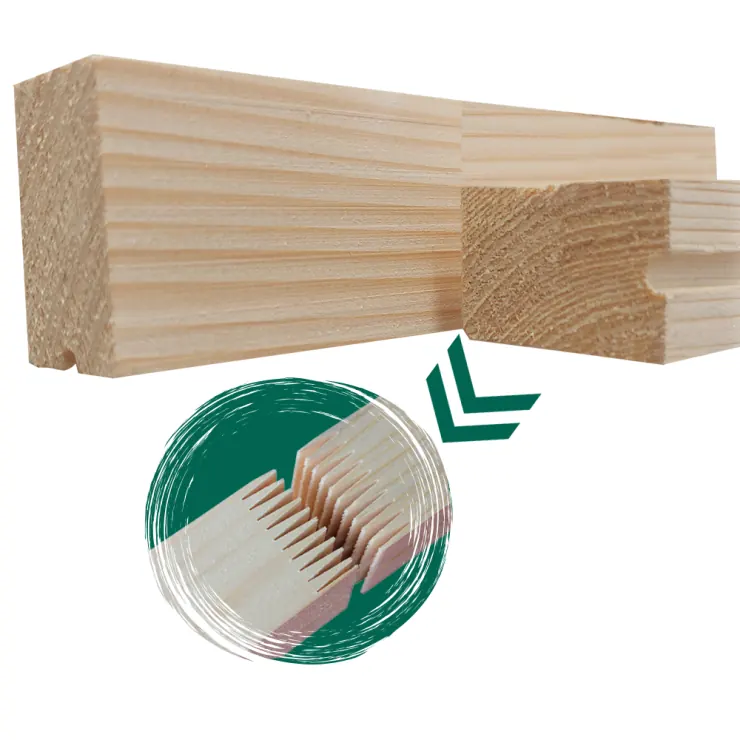
Finger-jointed door stile

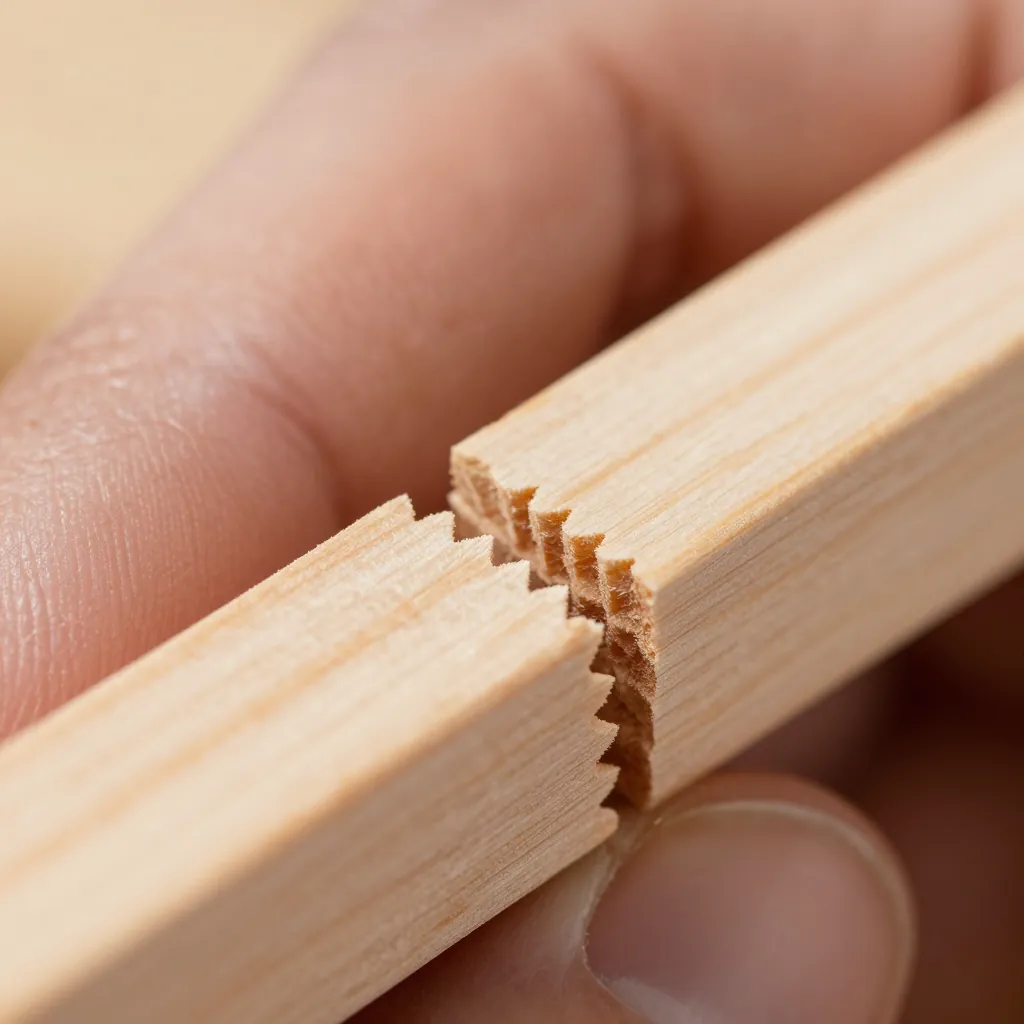
Several pieces of wood are joined into a single, stronger stile. The technique is known as finger jointing: the end of each piece is cut into angled fingers and the pieces are bonded together.

  • A stronger, more robust structure
  • Made from smaller pieces of wood, which reduces waste
  • Less bending, bowing and cracking in the door frame
  • An excellent choice for regions with extreme weather or high humidity
  • Available with a natural wood or painted finish
Eksiz (masif) kapı sereni

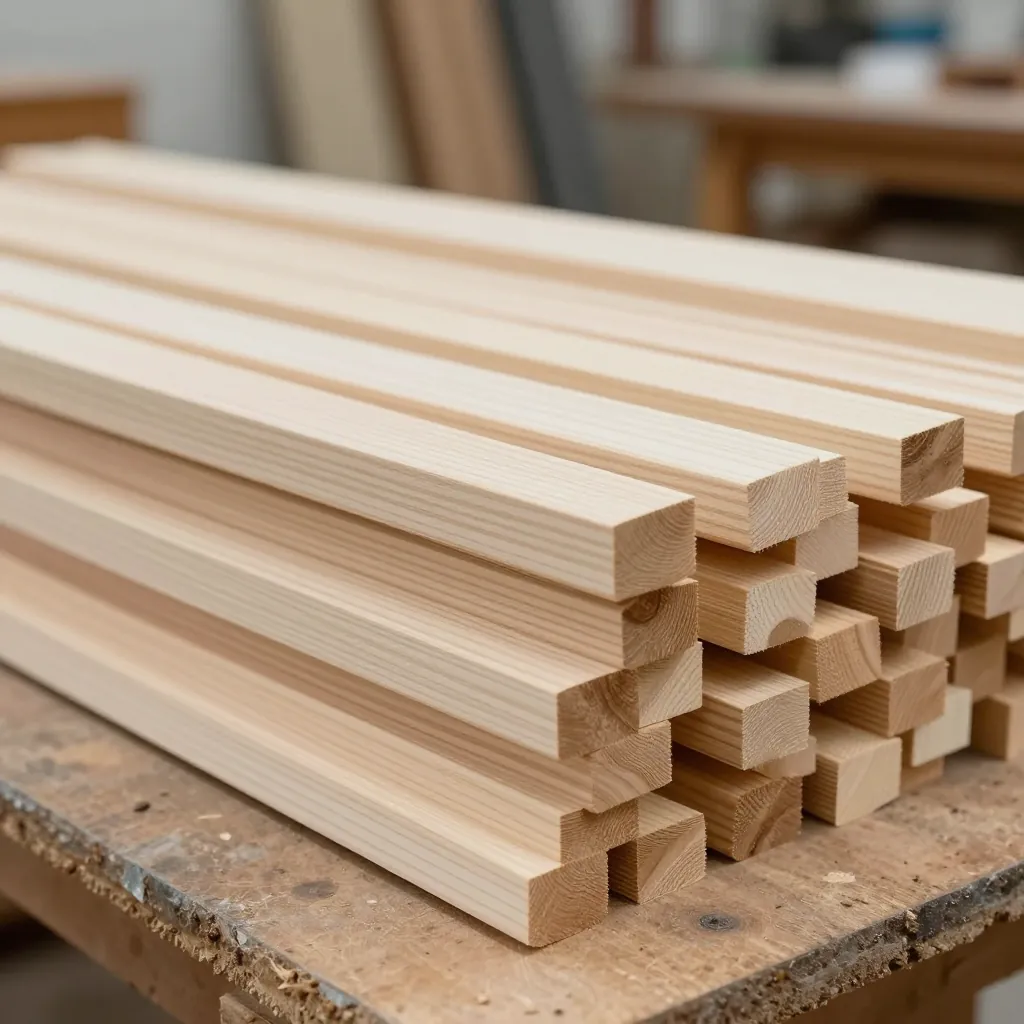
Solid door stile

A one-piece stile made from high-quality, knot-free material with an air-channel opening. Because there are no knots, no finger-joint operations are needed. The uninterrupted structure gives a smooth, even appearance and prevents irregularities such as warping or twisting in the door.

Inside one 80 cm door leaf

2
full-length vertical stiles, 210–220 cm (lock stile and hinge stile)
5
horizontal rails, 81 cm (top, middle and bottom rails)
6
blocks, 31 cm (rail, hinge and lock blocks)
≈10 m
of door stile in every door leaf — about five full lengths

Most-used sections (mm)

  • 35 × 42
  • 28 × 42
  • 28 × 57
  • 38 × 42
  • 35 × 57
  • 32 × 42
  • 30 × 42

35 mm is the standard stile thickness. Stiles can be produced in any thickness you need.

Where it is used

Laminated timber, glulam beams, furniture, doors, solid wood panels (finger-jointed material), gazebos, pergolas, children’s toys and Montessori beds.

Why choose panel doors?

Many model options, economical, hygienic and easy to clean, harbours no bacteria or germs, can be painted in any colour, light and easy to install — very well suited to interiors.

FAQ

Common questions

What is a door stile?

The timber carcass inside panel doors is the door stile. The stiles are joined at the corners, a honeycomb-shaped paper core is placed inside, and the door carcass is made.

Why is the stile used in a door so important?

A door consists of stile, honeycomb and panel, but the most important job belongs to the timber part — the wooden stile. The stiles are made into a frame, honeycomb is placed inside the frame as filling material, and the door panel is glued to both faces and pressed to form the door leaf. That is why the door stile matters so much.

What is the job of the channel in a door stile?

Channels are opened in the stile so that the air which forms during pressing and expands with heat does not affect press quality. The heated air escapes through these channels, which is very effective in achieving a smooth press and bonding surface. Usually a 5 × 5 mm air channel is opened.

Where is door stile used?

In many areas: laminated timber, glulam beams, furniture, doors, solid wood panels (finger-jointed material), gazebos, pergolas, children’s toys and Montessori children’s beds.

What is the difference between pine and spruce in door stile?

The best wood for door stile production is spruce lumber. The high moisture content found in pine and spruce makes door stile and doors stronger.

What causes warping in door stile?

Warping is caused by moisture arising from unbalanced weather conditions. In finger-jointed material that has not been completely cleared of knots, knot-related warping can also occur.

Planning an order?

Tell us the product, dimensions, quantity and delivery location. Our team will get back to you with a quotation.