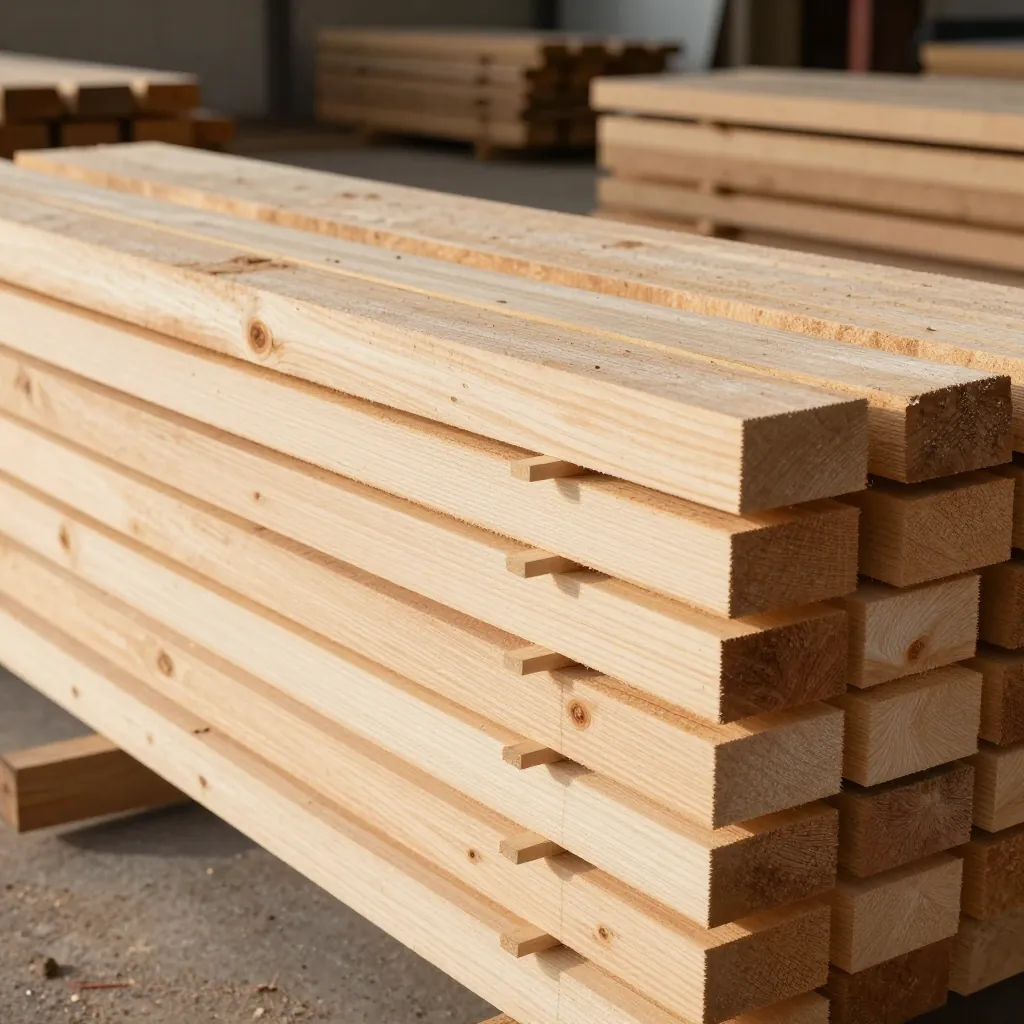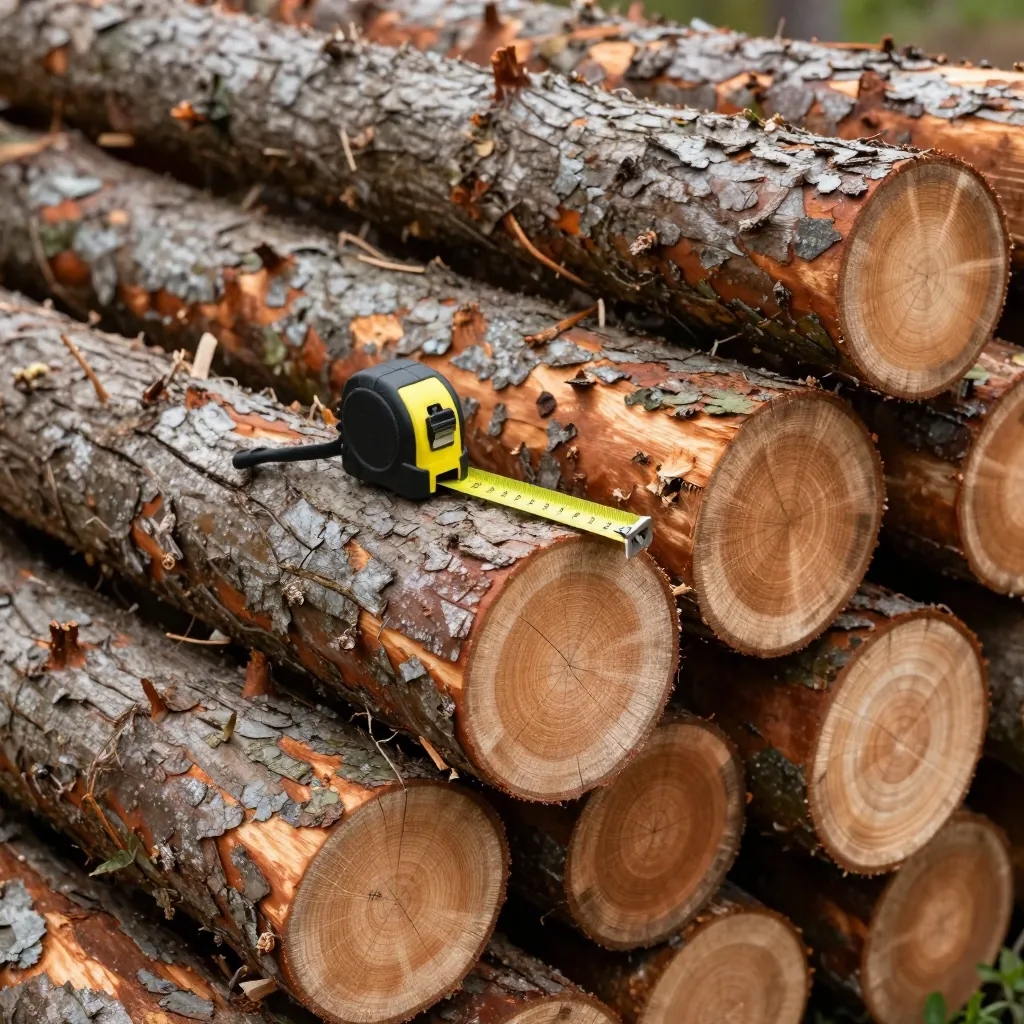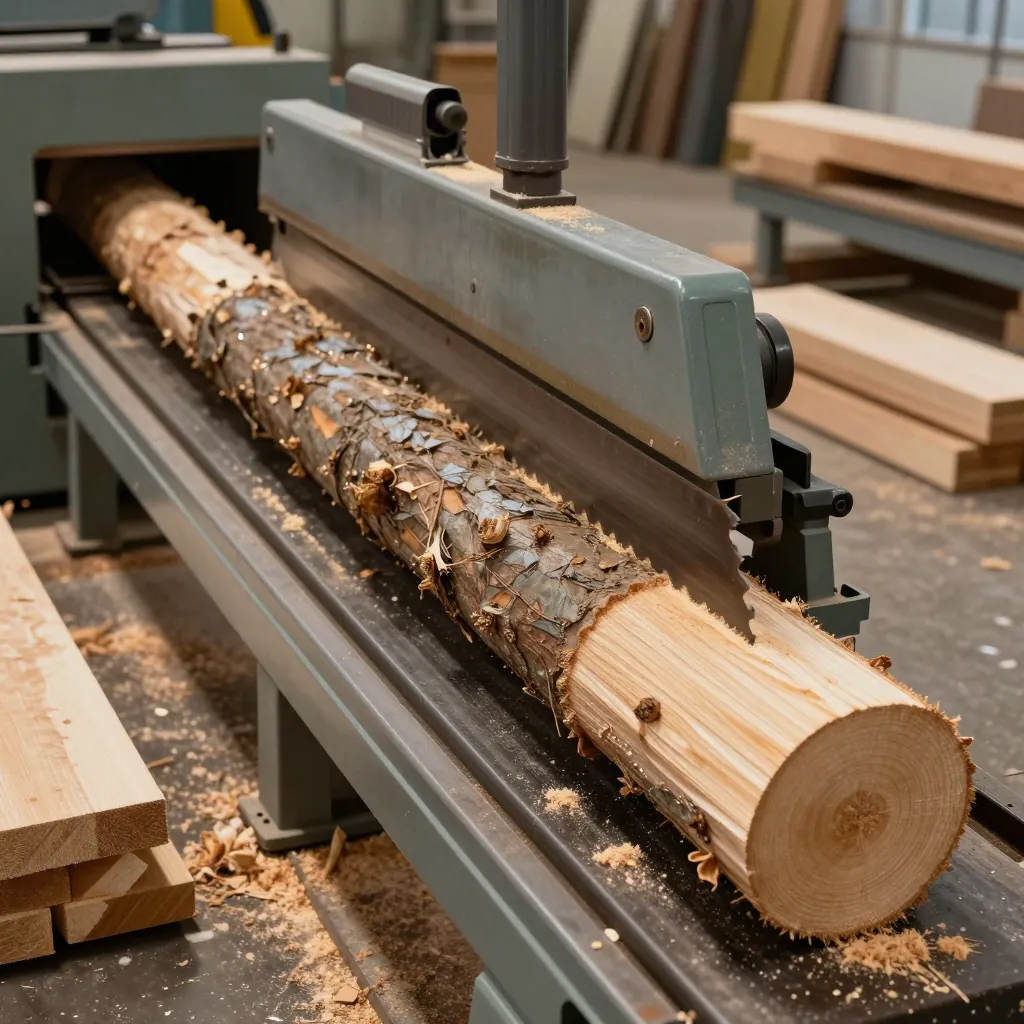

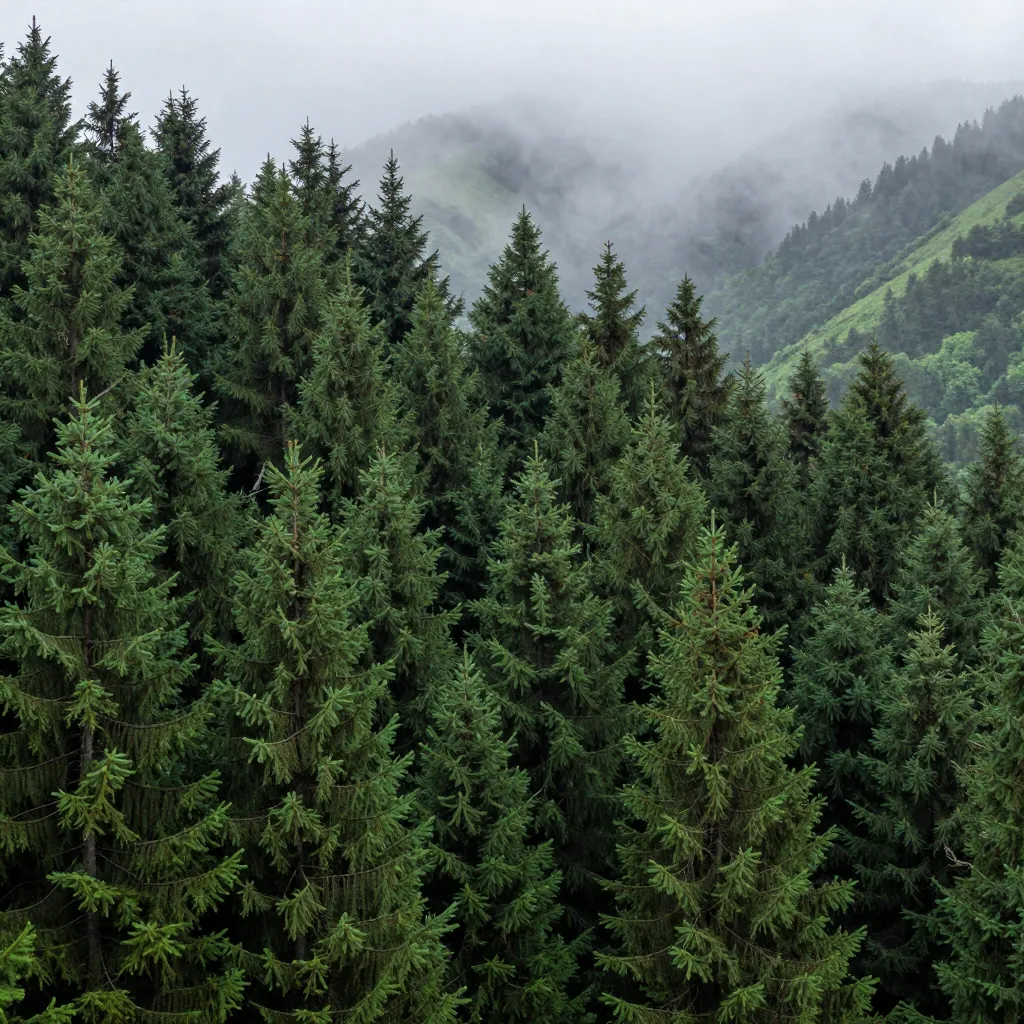
Oriental spruce (Picea orientalis), also called Caucasian spruce, is a member of the pine family (Pinaceae) native to the eastern Black Sea region of Türkiye and the Caucasus. It is an important forest tree with a straight, full trunk that can reach 40–50 m in height and 1.5–2 m in diameter under good conditions. Its pale, light, straight-grained and easily worked wood is widely used for construction timber, wooden packaging and door stile.
Where does oriental spruce grow?
Its natural range covers the eastern Black Sea mountains around Artvin, Rize, Trabzon, Gümüşhane and Giresun, together with the western Caucasus in Georgia and Russia. Türkiye’s largest spruce forests are found in this region. The tree prefers a cool, humid climate with high rainfall and usually grows at middle and high elevations, mostly on north-facing slopes, in pure stands or mixed with fir, beech and Scots pine.
It is shade-tolerant: growth is slow when young and speeds up after about 8–10 years. Because its roots spread close to the surface, it is vulnerable to strong winds. The most serious pest of these forests is the great spruce bark beetle (Dendroctonus micans), which Türkiye controls biologically by releasing the predatory beetle Rhizophagus grandis.
How to recognise oriental spruce
- Needles: the shortest of any spruce, about 6–10 mm long, four-sided, blunt-tipped and glossy dark green.
- Cones: cylindrical, 5–10 cm long and hanging; reddish-purple when young, brown when ripe.
- Crown and trunk: a narrow, pointed conical crown and a straight, full trunk with fine branches.
- Bark: smooth and brown when young, flaking into thin scales with age.
Thanks to its small needles and elegant shape it is also planted as an ornamental tree in parks and gardens.
Wood properties
Spruce shows no clear colour difference between sapwood and heartwood. The wood is whitish to pale yellow, fine-textured and straight-grained. Its resin canals are small and few, so it is much less resinous than pine.
| Property | Oriental spruce | Scots pine (for comparison) |
|---|---|---|
| Colour | Whitish to pale yellow, no distinct heartwood | Reddish heartwood, pale sapwood |
| Density (12 % moisture) | approx. 420–470 kg/m³ | approx. 500–540 kg/m³ |
| Resin | Low | High |
| Natural durability (EN 350) | Slightly durable (class 4) | Heartwood moderately to slightly durable (class 3–4) |
| Treatability | Difficult | Sapwood easy |
| Working and drying | Easy, quick, little checking | Easy; resin can gum up cutters |
For its weight, spruce is strong. It dries easily with little tendency to check, and it is simple to plane, saw, nail and glue; it also takes paint and varnish well. Its knots can be hard, so high-grade work uses clear material or timber with defects removed by finger jointing.
Outdoor use: an important correction
Older sources describe spruce as “a durable tree for indoor and outdoor use”, which is misleading. Spruce has low natural durability and is hard to penetrate with preservatives. Used outdoors, it must be detailed so that it does not stay wet, its surface must be protected and, where needed, suitable preservative treatment applied. In dry interiors it lasts a very long time.
Drying and grading
Spruce lumber is kiln-dried according to its end use: joinery, door stile and laminated products usually target 8–12 % moisture, construction timber around 15–18 %. Structural spruce is strength-graded in Europe to EN 338, where C16 and C24 are the most common classes in buildings; CLT and glulam lamellae are typically C24. Properly dried and graded spruce is a predictable material both on site and in the factory.
Uses
- Construction timber: roof framing, joists, planks and studs
- Engineered wood: lamellae for glulam and CLT
- Door stile and joinery: the frame of panel doors, thanks to its light weight, straightness and stability
- Wooden packaging: crates, pallets and cages, heat-treated to ISPM 15 for export
- Other: interior cladding, furniture frames and pulp; spruces are also prized for the soundboards of musical instruments
CNRWOOD and spruce
Spruce plays a central role in CNRWOOD’s range: door stile, the lamellae of its CLT panels and its timber and panels are made from it. We explain spruce’s role in doors in our article what is a door stile.