
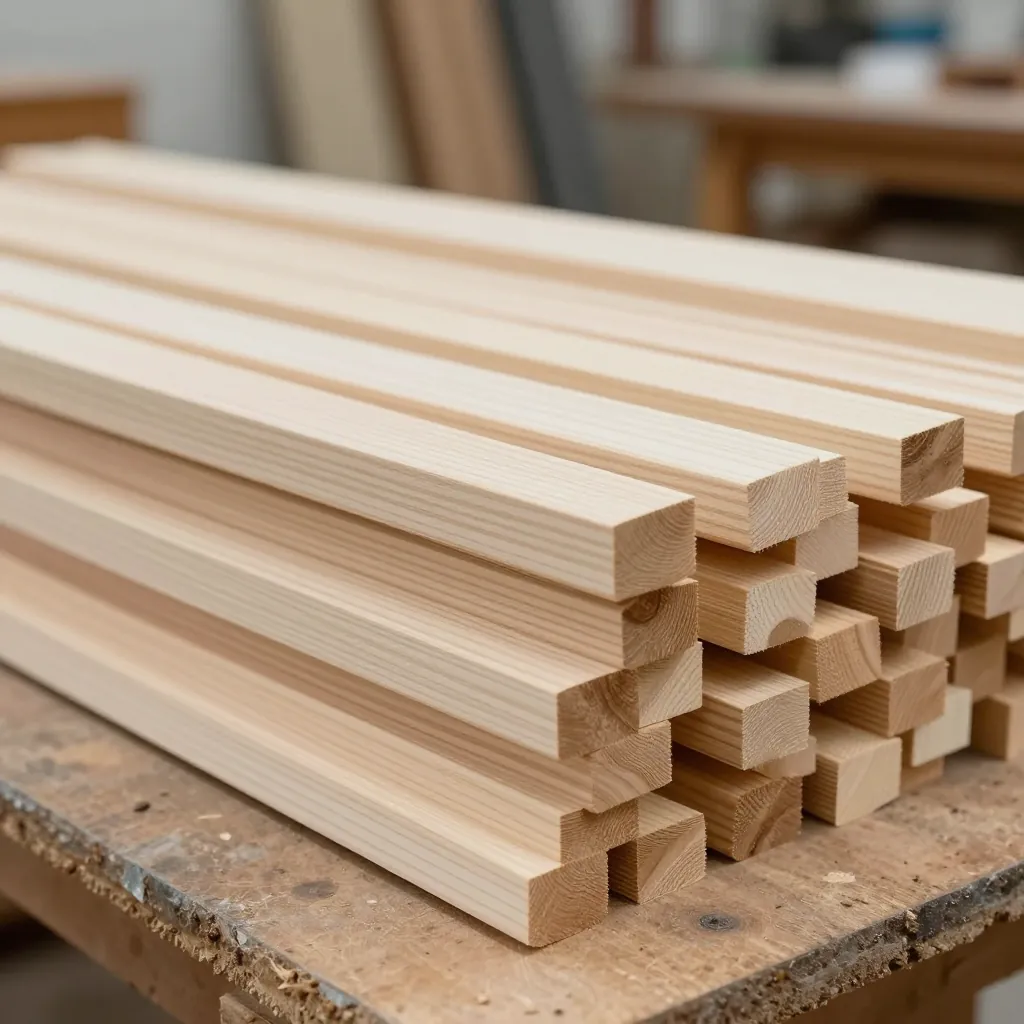
A door stile is the timber frame inside a panel (hollow-core) door. The stiles are joined at the corners to form the skeleton of the door leaf, a honeycomb paper core is placed inside, and a door skin is glued to each face and pressed to make the finished leaf. The door may look like nothing but its skins, yet it is the stile that keeps it straight and carries the hinges and lock.
The Turkish name is kapı sereni. Strictly speaking, a “stile” is a vertical frame member and a “rail” a horizontal one; in Turkish the word “seren” covers both, and the industry often calls the whole product “door stile”. Translations such as “door seren” or “door spanner” found on older pages are simply wrong.
How a panel door is built
A panel door has three main components:
- Stiles and rails: the timber frame around the edge and across the middle of the leaf, with extra blocks at the lock and hinge positions.
- Honeycomb core: a light paper honeycomb that fills the frame and supports the skins.
- Door skins: flat or moulded facing panels, painted or veneered, glued to both faces.
During pressing the air inside the leaf heats up and expands. To let it escape, an air channel, usually 5 × 5 mm, is cut into the stile. The channel stops the skins from blistering and gives a clean, flawless bond.
How much stile goes into one door?
A standard 80 cm wide interior door leaf typically contains:
| Part | Quantity | Length |
|---|---|---|
| Vertical stiles (lock stile and hinge stile) | 2 | 210–220 cm |
| Horizontal rails (top, middle and bottom) | 5 | 81 cm |
| Blocks (rail, hinge and lock blocks) | 6 | 31 cm |
| Total | 13 pieces | about 10 m (five full lengths) |
Door stile sizes
Stiles can be produced in any section, but the most widely used sizes are (mm): 35 × 42, 28 × 42, 28 × 57, 38 × 42, 35 × 57, 32 × 42 and 30 × 42. The standard stile thickness is 35 mm. The section is chosen according to door thickness, skin type, lock-case depth and door weight.
Finger-jointed and solid door stile
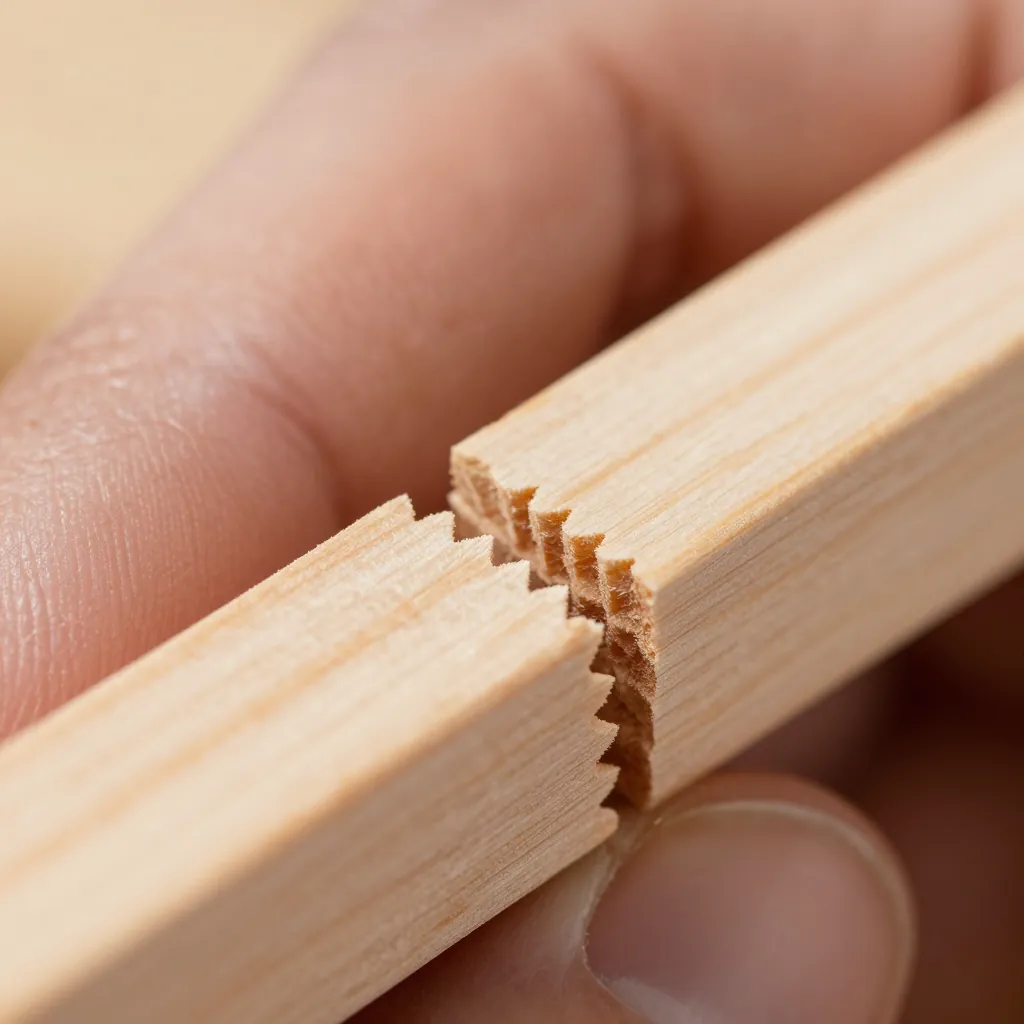
Finger-jointed stile
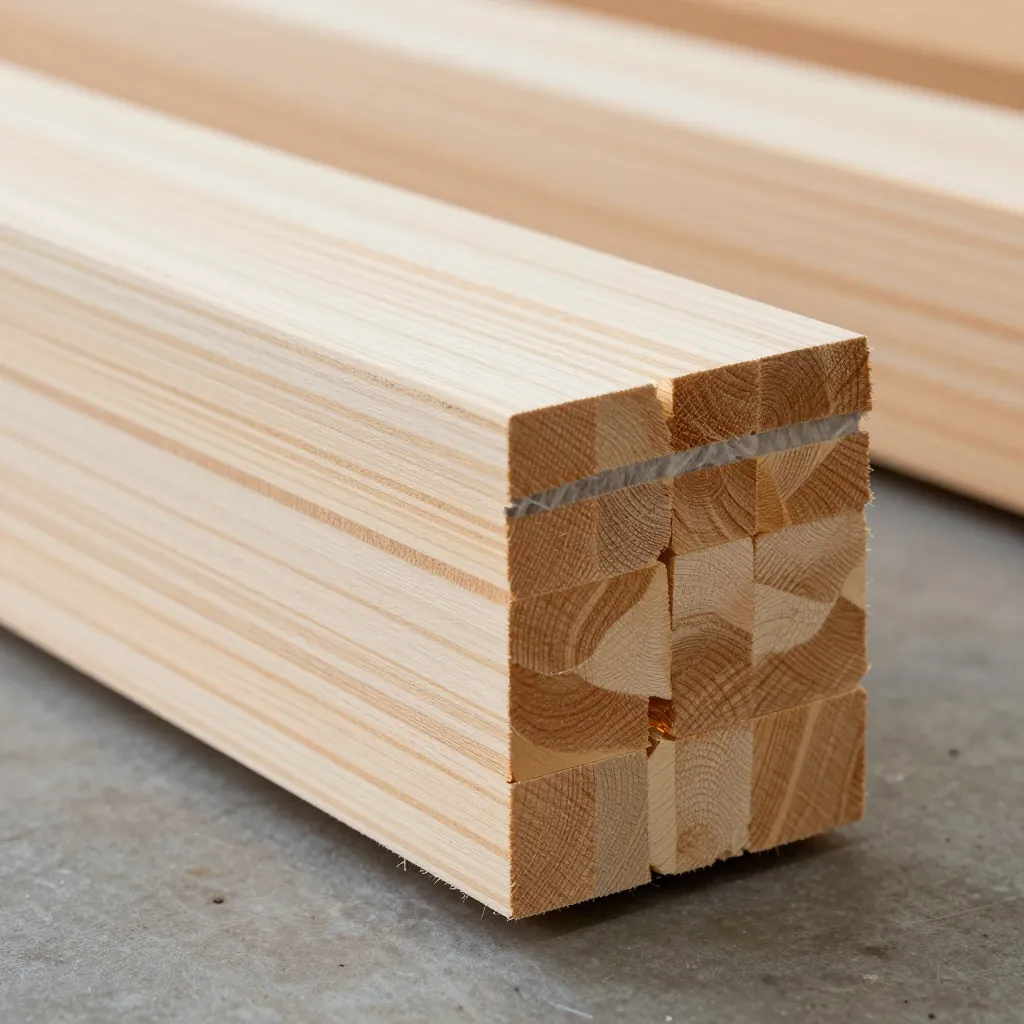
Short pieces with their defects cut out are joined into one length using finger joints. A finger-jointed stile is made with less waste, and because the internal stresses of one-piece lumber are broken up, the door frame bends, bows and cracks less. It is an excellent choice for humid or changeable climates and can be supplied for natural wood or painted finishes.
Solid stile
Made in one piece from high-quality, knot-free timber, with the air channel cut in. With no knots there is no need for finger jointing, and the uninterrupted structure gives an even appearance and prevents irregularities such as warping or twisting in the door.
Which wood, which quality?
Door stile is most often made from spruce: it is light, straight-grained, easy to machine, holds nails and screws well and stays stable once dried. When buying stile, check:
- Moisture: stile should be kiln-dried to service moisture. Wet material is the most common cause of doors warping after installation.
- Straightness and tolerance: every piece should be straight and the same section, so the press works evenly.
- Joint quality: in finger-jointed stile the fingers should be fully closed, with no knots close to the joint.
- Air channel: its size and continuity directly affect press quality.
Why choose panel doors?
- Many models: flat, grooved and moulded skins in an unlimited range of colours.
- Economical: far less wood is used than in a solid door, which keeps cost down.
- Light: the honeycomb core keeps the leaf light, reducing load on hinges and making installation easy.
- Easy to clean: smooth painted or laminated surfaces wipe clean, making them a hygienic option for homes, hotels, schools and healthcare buildings.
- Paintable: the surface can be repainted when the interior changes.
- Stable: a panel door made with properly dried stile moves less than a solid door.
Panel doors are designed for interiors. Entrance doors, fire doors and doors that need high sound insulation call for different constructions.
Door stile from CNRWOOD
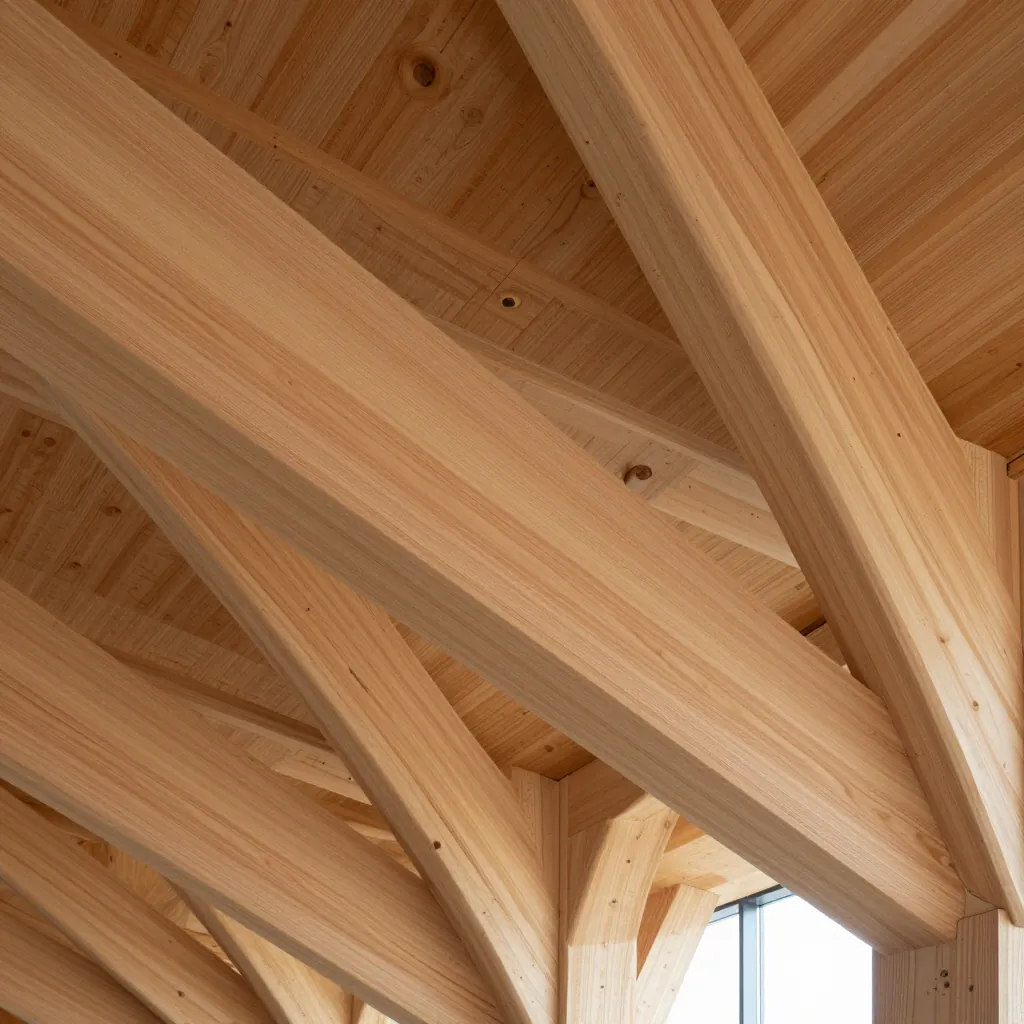
Producing in Gebze, Türkiye, since 1998, CNRWOOD is one of the country’s leading door stile brands. It makes finger-jointed and solid door stile in the sections door manufacturers need and supplies them at home and abroad. Stile is also used for laminated timber, furniture, solid wood panels, pergolas, gazebos and children’s toys.