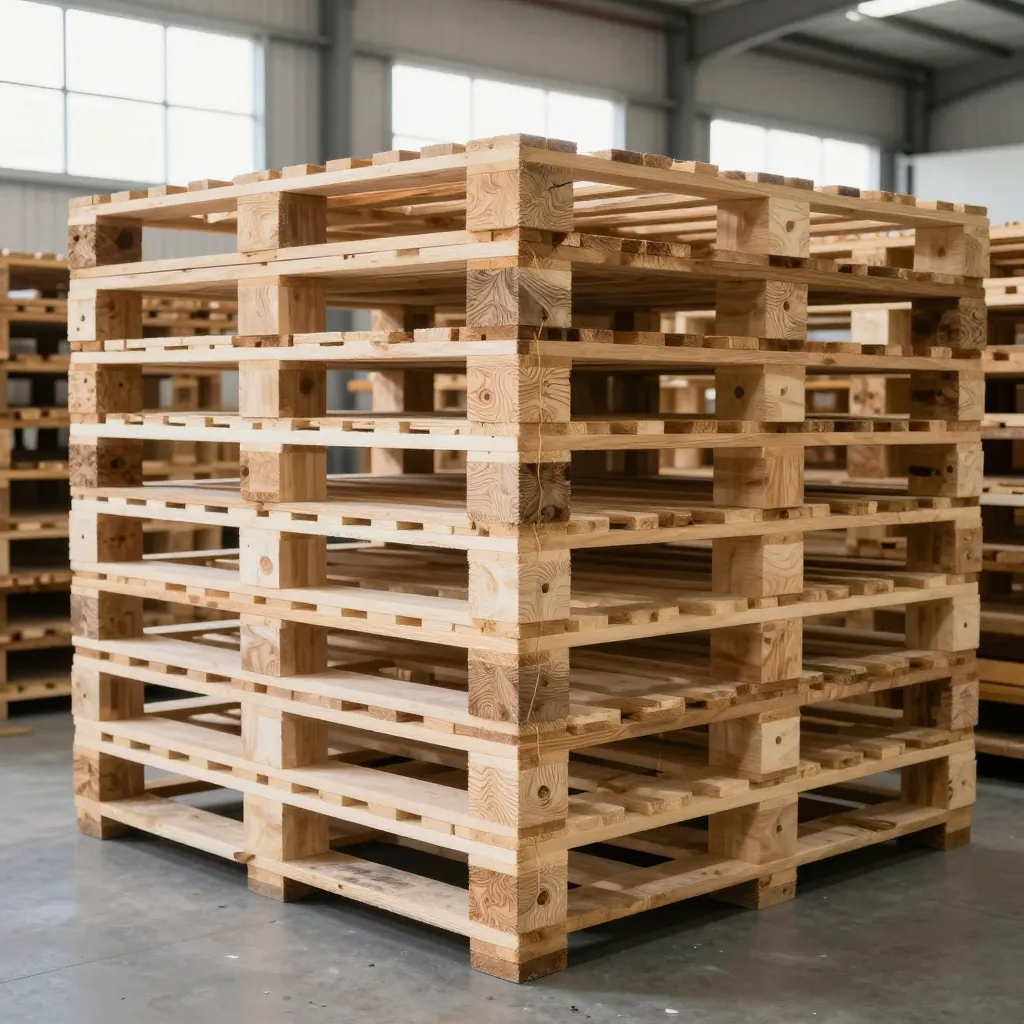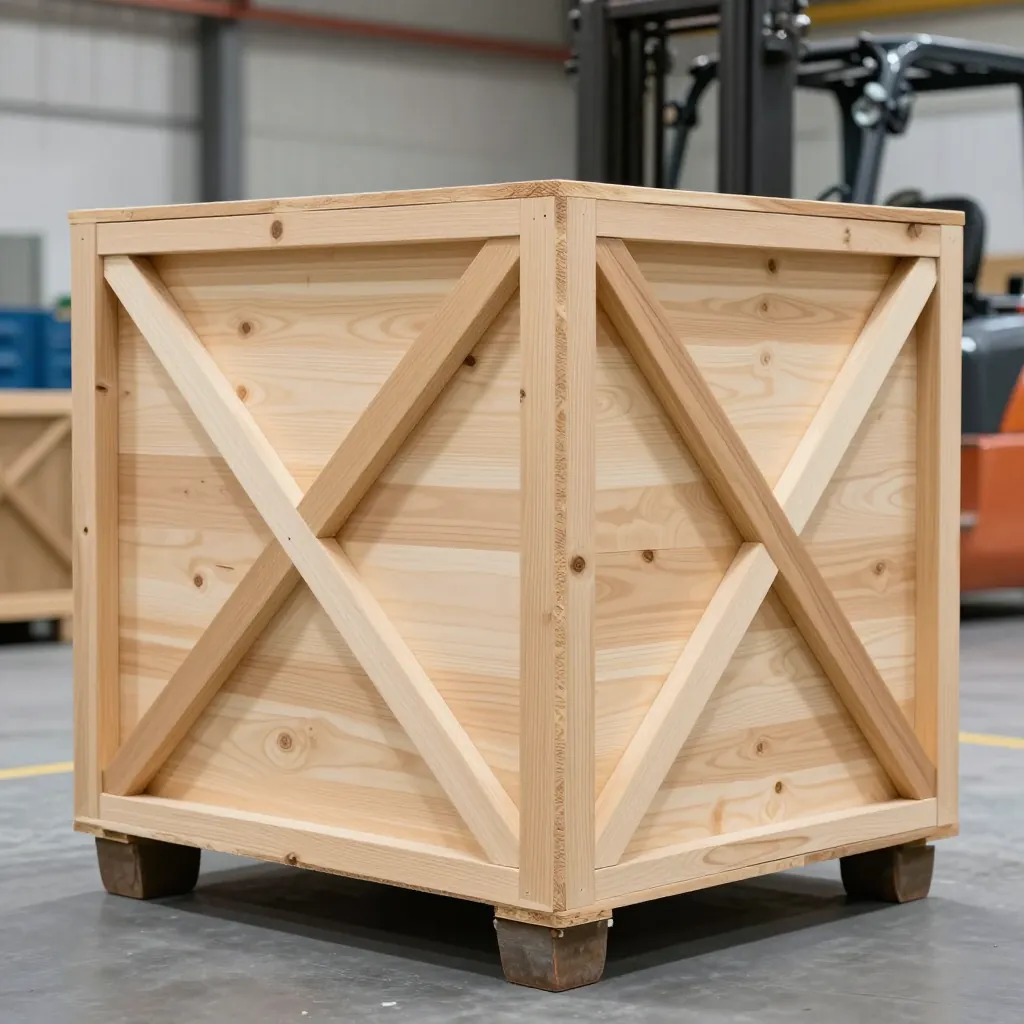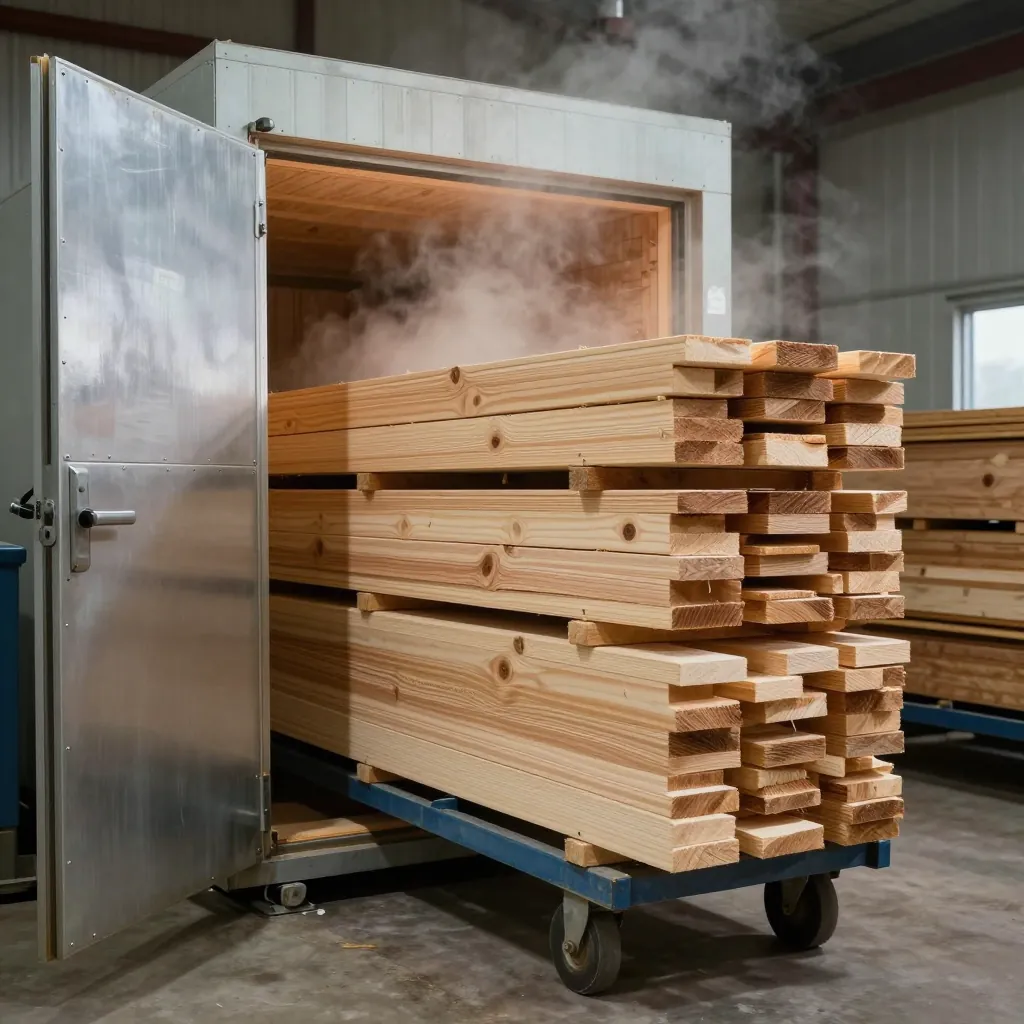

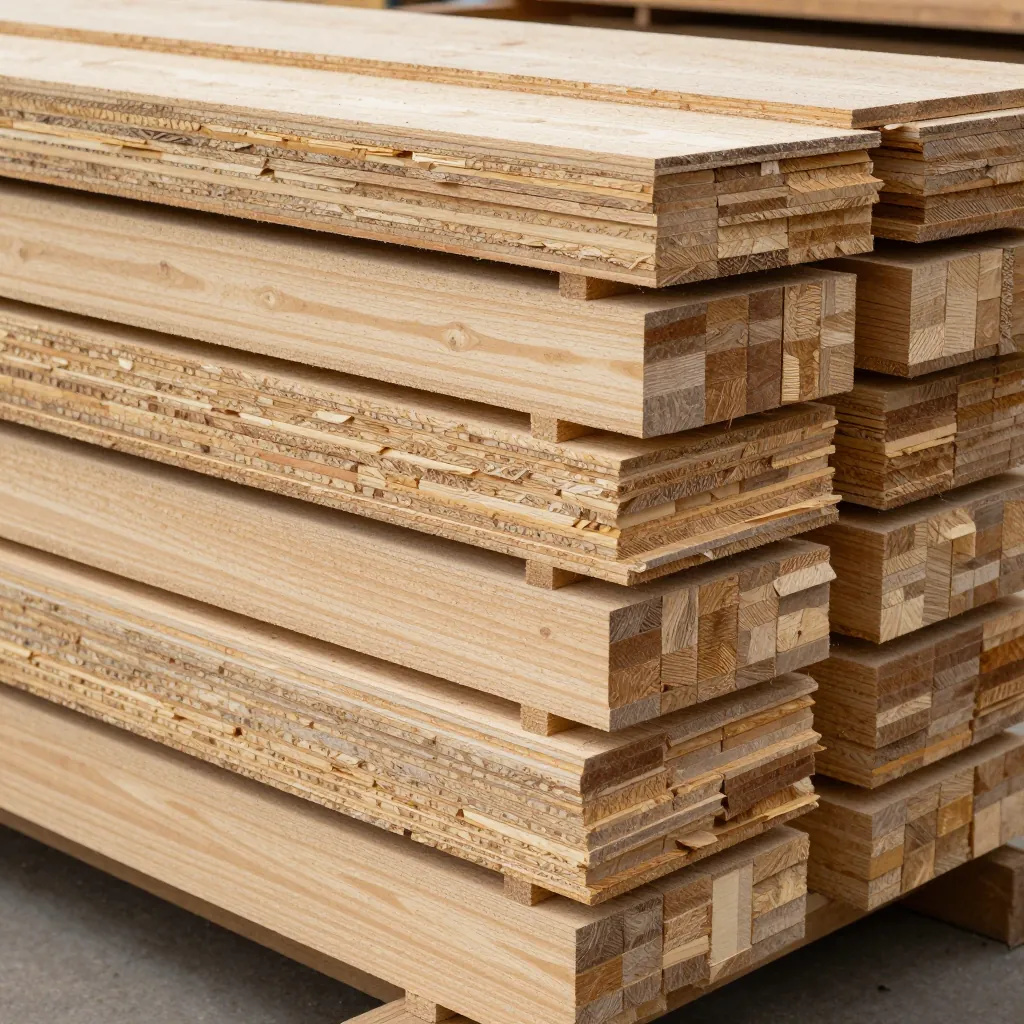
Under ISPM 15, the wood packaging that needs no heat treatment and no ISPM 15 mark is: packaging made entirely of wood 6 mm thick or less; packaging made wholly of processed wood produced with glue, heat or pressure, such as plywood, particleboard, OSB or veneer; wine and spirit barrels heated during manufacture; gift boxes made of processed, pest-free wood; sawdust, wood shavings and wood wool; and wooden parts permanently attached to freight vehicles and containers.
What these materials share is that their manufacture exposes them to conditions pests cannot survive, or that they are too thin to harbour pests. The exemption, however, belongs to the material, not to the package as a whole. If a crate contains even one piece of solid wood, that piece falls under the rule.
Exempt materials and why they are exempt
| Material | Why exempt? |
|---|---|
| Wood 6 mm thick or less | Bark beetles and their larvae cannot develop in wood this thin. |
| Plywood, particleboard, OSB, veneer | Peeling, flaking, gluing and hot pressing apply enough heat and pressure to destroy pests. |
| Wine and spirit barrels heated in manufacture | Staves are bent over fire or steam when the barrel is made. |
| Gift boxes for wine, cigars and similar goods | Made from processed wood that has been rendered pest-free. |
| Sawdust, shavings, wood wool | The particles are too small to carry pests. |
| Wood permanently fixed to vehicles and containers | Parts such as a container floor count as the vehicle, not as packaging. |
Mixed packaging: where the exemption ends
The most common mistake in practice is to assume “OSB crates are exempt” and overlook the solid wood skids and battens. Typical cases:
- OSB or plywood case on solid skids: the panels are exempt, but the skids, internal battens and blocks must be heat-treated and marked.
- Moulded (pressed) wood pallet: exempt, because it is made entirely of processed material. Add solid wood feet and those feet fall under the rule.
- Dunnage: wedges, blocks and beams used to secure the load inside a container also count as wood packaging. Being thicker than 6 mm, they must be treated and marked.
- Pieces that look thin but exceed 6 mm: the limit is the actual thickness. An 8–10 mm batten is not exempt.
The conditions for the solid parts of a mixed crate are explained in our article on heat treatment (HT), and crate types in our wooden crate guide.
Panel case or solid wood crate?
Some exporters choose cases made entirely of panels to avoid treatment and marking. The choice has pros and cons:
- Pros: no heat treatment or stamp is needed; the closed surface protects goods from dust, splashes and prying eyes; labels and handling instructions print easily on the flat faces.
- Cons: material cost is usually higher than for a solid wood grid crate; panel edges are sensitive to moisture; heavy loads still need a strong load-bearing frame and skids for forklift and crane handling.
For light and medium-weight sensitive goods an all-panel case can make sense. For heavy machinery, a mixed solution with solid skids and panel cladding usually gives the best balance.
What lies outside ISPM 15 altogether
Apart from the exemptions, some wood is simply not the subject of ISPM 15:
- Timber and logs shipped as goods: ISPM 15 covers packaging only. Lumber, panels or logs sold as a commodity fall under the importing country’s plant-health rules and, where required, a phytosanitary certificate.
- Domestic shipments: the standard targets international trade, so the mark is not required for shipments that stay within one country. A pallet used at home and later sent abroad, however, must be treated.
Importing-country rules
ISPM 15 is an international minimum. Countries may set additional, scientifically justified requirements, ask for documents for exempt packaging or treat certain materials differently. Since exempt materials carry no mark, it is good practice to confirm the destination’s current requirements with the importer and customs broker before shipping and, where useful, to prepare a manufacturer’s declaration describing the packaging material.
Conclusion
Processed materials such as plywood and OSB cases, thin wood and wood wool need no heat treatment or mark, but every solid wood part in the same package is still covered. When CNRWOOD combines okoume plywood and OSB-3 boards with solid timber skids and battens in its cases, the solid parts are heat-treated and marked to ISPM 15.