
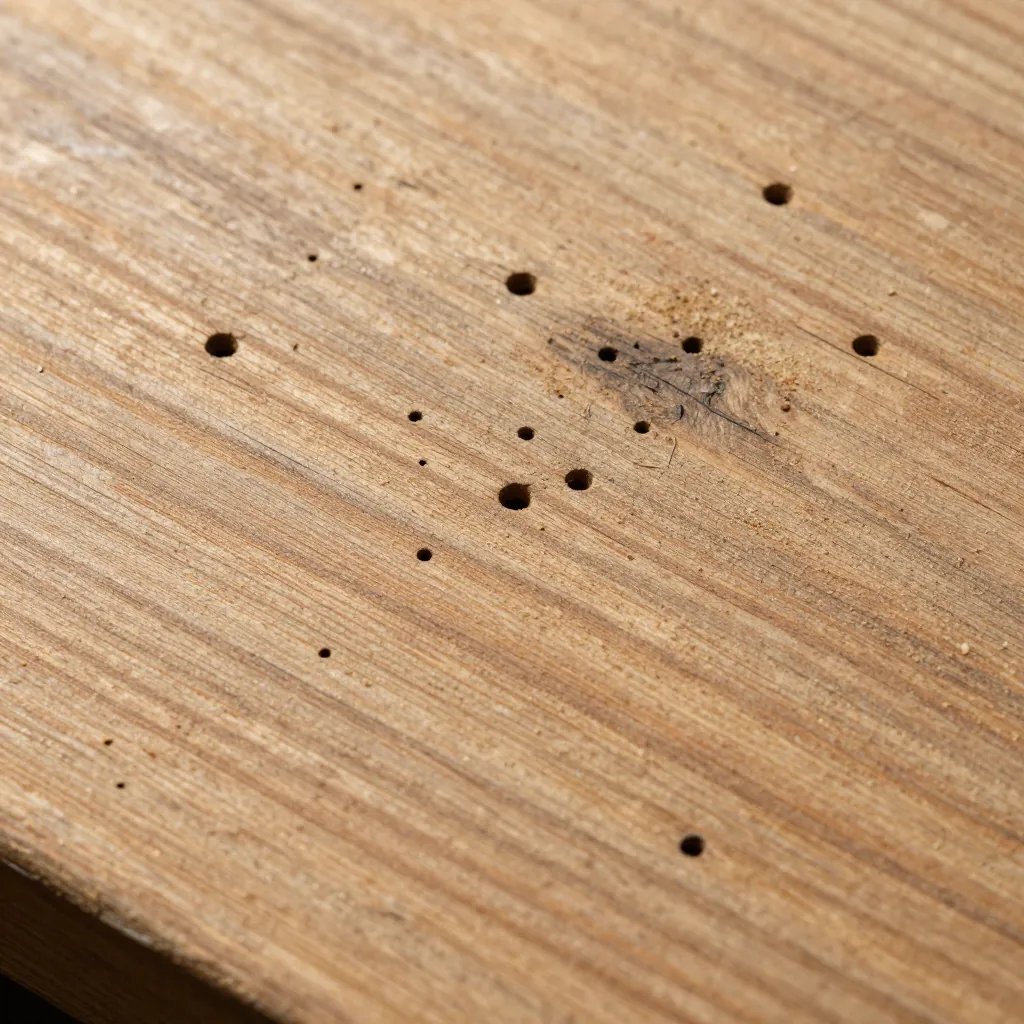
Woodworm is damage caused by the larvae of wood-boring beetles tunnelling through timber. Despite the name, it is not a worm: an adult beetle lays its eggs in cracks in the wood, the larva feeds inside for one to several years, and the new adult chews an exit hole to the surface and flies off.
The holes you see are therefore the end of a process, not its beginning. The most effective prevention is to dry timber to the right moisture content, heat-treat it and, where the exposure calls for it, impregnate it with a preservative.
The Main Wood-Boring Insects
| Insect | Wood attacked | Exit hole | Larval period |
|---|---|---|---|
| House longhorn beetle (Hylotrupes bajulus) | Sapwood of softwoods such as pine and spruce; roof and structural timber | Oval, 6–10 mm | 3–6 years, sometimes longer |
| Common furniture beetle (Anobium punctatum) | Sapwood of softwoods and hardwoods, old furniture, plywood | Round, 1–2 mm | 2–4 years |
| Powderpost beetles (Lyctus species) | Starch-rich sapwood of large-pored hardwoods such as oak and ash | Round, 1–1.5 mm | About 1 year |
| Bark beetles | Under the bark of living, weakened or freshly felled trees | 1–3 mm holes in the bark | Weeks to months |
The house longhorn is the most serious threat to buildings: its larvae can work inside roof trusses for years, leaving only a thin skin of sound wood on the surface. The common furniture beetle is found mostly in old furniture, floorboards and plywood in damp conditions. Powderpost beetles usually appear in newly dried hardwood products such as flooring and furniture and do not attack softwoods. Bark beetles are a problem in the forest and log yard; they cannot live in debarked, dried lumber.
How to Recognise Woodworm
- Exit holes: neat round or oval holes. Sharp edges and pale wood inside mean the hole is fresh.
- Bore dust (frass): fine powder below the holes. Fresh frass is pale; old frass is darker and dirty.
- Soft or blistered surface: areas where a screwdriver tip sinks in easily, or where the surface bulges over hollow tunnels.
- Adult beetles: small beetles on windowsills in late spring and summer.
Old holes do not necessarily mean an active infestation; the problem may have ended years ago. To be sure, fill the holes with wax or filler and watch through one flight season for new holes and fresh dust.
How to Prevent Woodworm
Proper drying
Kiln drying kills larvae and eggs already in the wood through heat and brings the moisture content down to suit the end use. Dry, well-ventilated indoor timber is far less attractive to the furniture beetle. Drying is not permanent protection, however: dry wood can be re-infested later.
Heat treatment and ISPM 15
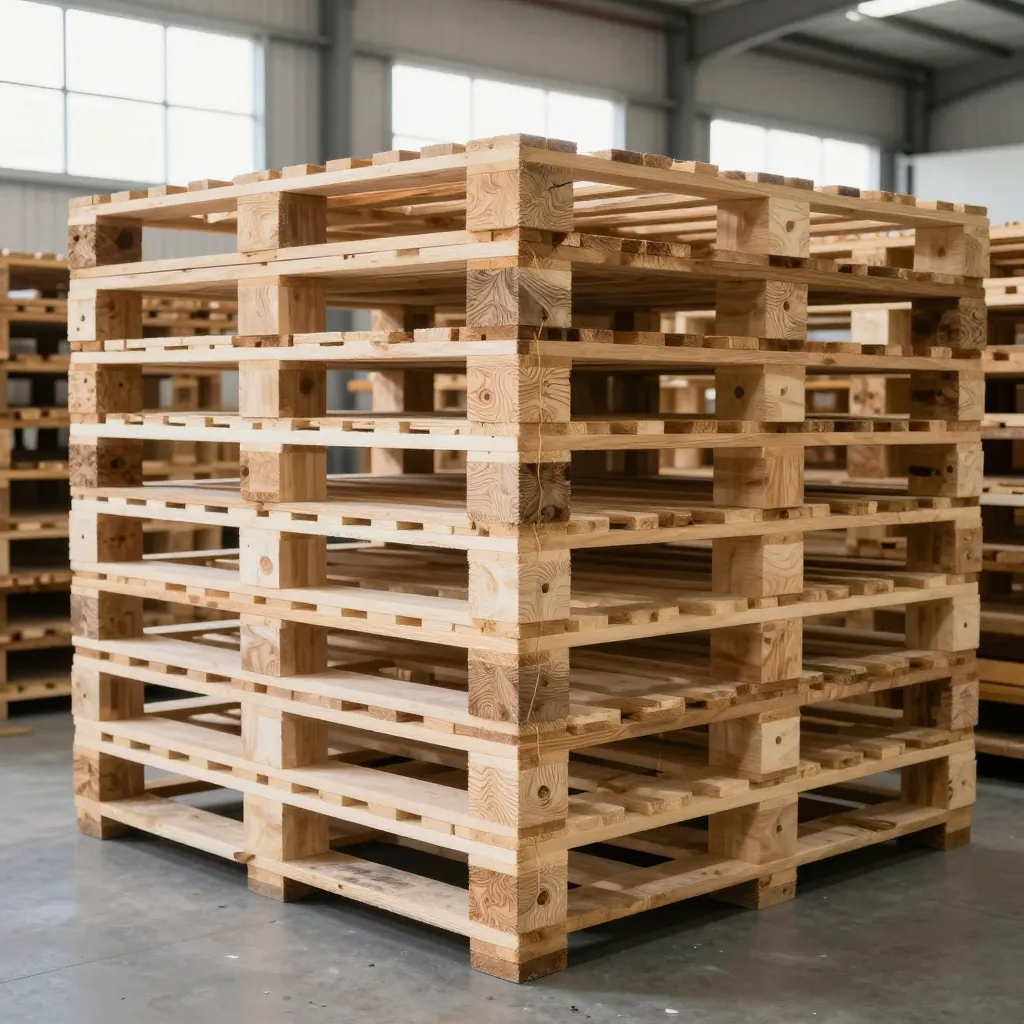
In international trade, the ISPM 15 standard prevents pests from travelling in wood packaging. Under heat treatment the core of the wood must reach at least 56 °C and be held there for at least 30 minutes, which kills insects, larvae and eggs. At CNRWOOD we treat our export crates and pallets this way in our own heat-treatment kilns. See ../../../en/blog/what-is-ispm-15-and-how-to-read-the-mark/ and our ../../../en/products/wooden-packaging/ page for details.
Impregnation
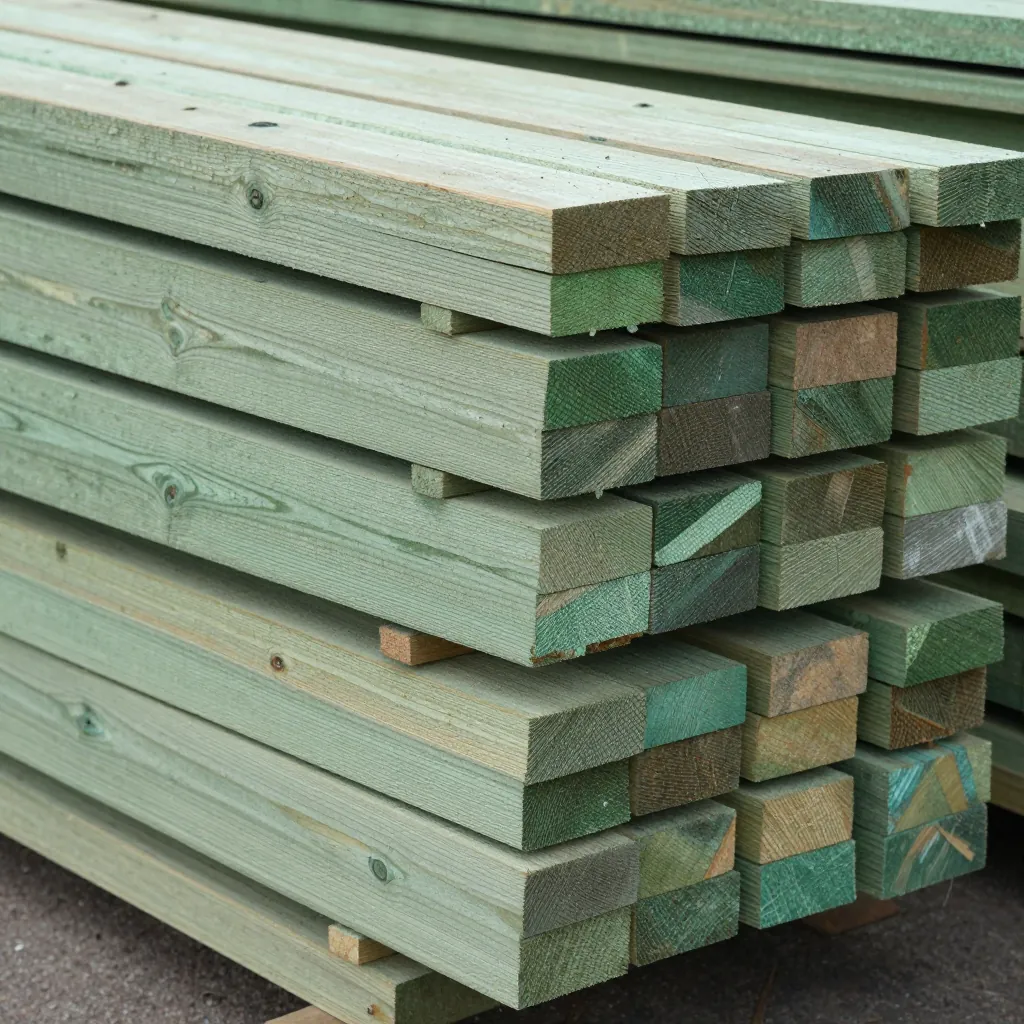
For timber used outdoors, in ground contact or in damp conditions, the most lasting solution is a preservative forced into the wood by the vacuum-pressure process. The preservative penetrates mainly the sapwood, which is exactly the part insects prefer. Our article on ../../../en/blog/what-is-wood-impregnation-and-impregnated-wood/ explains which method suits which use class.
Good practice in use
- Keep timber away from damp basements and soil contact, and ventilate roof spaces well.
- Check old furniture and reclaimed wood for woodworm before bringing it indoors or into a store.
- Prefer dried and, where needed, treated material over timber with a high share of untreated sapwood.
How to Treat Woodworm
A popular tip online says to “pour woodworm oil into the hole, wait five minutes and wipe it off”. That is not enough. Larvae may be several centimetres below the surface, and the treatment has to soak into the wood; a liquid wiped off after a few minutes cannot do that. A sound approach is:
- Establish whether the attack is active. If it is not, treatment is usually unnecessary.
- Small items: remove varnish or paint, apply an insecticide approved for wood-boring insects to the bare wood by brush or spray, inject it into the exit holes and repeat as the label instructs. Alternatively, the whole piece can be heat-treated, or small objects can be frozen at −18 °C for at least several weeks.
- Structural timber: if roof or load-bearing members are widely affected, call a specialist. Members that have lost load capacity must be replaced, and any fumigation must be carried out only by licensed companies.
Conclusion
With woodworm, prevention is both the cheapest and the most effective cure: use properly dried timber and, where needed, heat-treated or preservative-treated material. For kiln-dried lumber and ISPM 15 compliant packaging, see our ../../../en/products/timber/ page.